The Government’s Independent Commission on Water has been billed as a once in a lifetime review of the water sector. Its interim report today calls for more bureaucracy and little action. It tweaks the current regulatory system to provide remedial action. The Commission says there is no simple solution – but there actually are some, for example one place to start would be to just enforce the current law. Fundamentally the Commission does not address the stark fact that the privatised monopoly system costs more and delivers less than any other model. It states trade-offs need addressing. The biggest trade off is the current one – profit for pollution, and this report does not address that. This is what is missing:
1. Nothing on enforcing the current law
2. Nothing on the causes of pollution
3. Nothing on the polluter pays principle (currently the public pays for all pollution)
4. Nothing that puts the public at the heart and centre of decision-making about how
our money is spent.
5. Nothing on innovatory ways to tackle pollution
6. Nothing on open transparent data that tells us what is actually going on
7. Nothing on fairness, ensuring water for all
8. Nothing on ensuring there is capacity to deliver
9. Nothing on independently inspecting and assuring water assets
So what does Cunliffe say its going to recommend? At the outset it says it is inevitable that water bills will continue to rise. The interim report is a warm up to get us used to the final recommendations which strengthen the water industry creditors hand.
The report is music to the water industries ears:
1. More security for long-term investors. This is a monopoly with guaranteed income for an essential resource. Why does it need more security? The overall view seems to be public noise and concern about the industry, and the regulatory and legislative frameworks are putting investors off! Nothing about the privatised model failing bill payers and the environment.
2. Better ways of attracting senior managers of quality. This is where the executives are already paid circa £1m salary and bonuses.
3. Watering down reporting of dividends as its creating a perception for the public of poor management. Rather than recognising water companies are polluting for profit
4. Simplified business planning for water companies (so its less rigorous to put prices up?) and simplifying the law so its clearer what has to be delivered. We think the law is clear – don’t pollute our rivers, lakes and seas.
5. Exploring supply chain capacity – is this because WCs cannot deliver their promised improvements?
6. Ofwat the economic regulator having a closer relationship with water companies so they can better understand their context. This looks like water industry capture rather than the regulators doing what they should do which is protecting the bill payer and environment. There is of course nothing about strengthening how Ofwat will be democratically accountable to tax payers, or prioritise bill payers concerns (see David Hall)
7. Strengthening CCW the consumer voice organisation (nothing about how yet), rather than building in a democratic voice into all parts of the system we pay for.
8. Planning at a regional level with strengthened catchments – bringing stakeholders together to work out how to apply policy and law.
What should it recommend?
But given that the Cunliffe report fails to deliver on the promised once in a lifetime radical review, we need at minimum:
(a) Public Ownership of the overall water sector, which can include hybrid delivery, which matches how water is organised across the world (87.8% of the 24.5K responses on the recent Surfers Against Sewage and 38 degrees want public ownership; 69% of the 5930 Youn Gov survey want public ownership; and support for public ownership is going up with 77% supporting it in a You Gov survey in 2022, with 1 in five britons wanting a hybrid system; and 82% in 2024). This will ensure all bill payers money is spend on delivery not debt. (note the government is wrong in saying it will cost 99Bn to put water companies in public ownership – please read the People’s Commission report with expert legal advise on this).
(b) A Water TaskForce which includes public representation, with an expert Scientific Advisory Group to do the ‘once in a lifetime’ job of ensuring we conserve and protect water, and secure the safety and resilience of our water system for now AND the future.
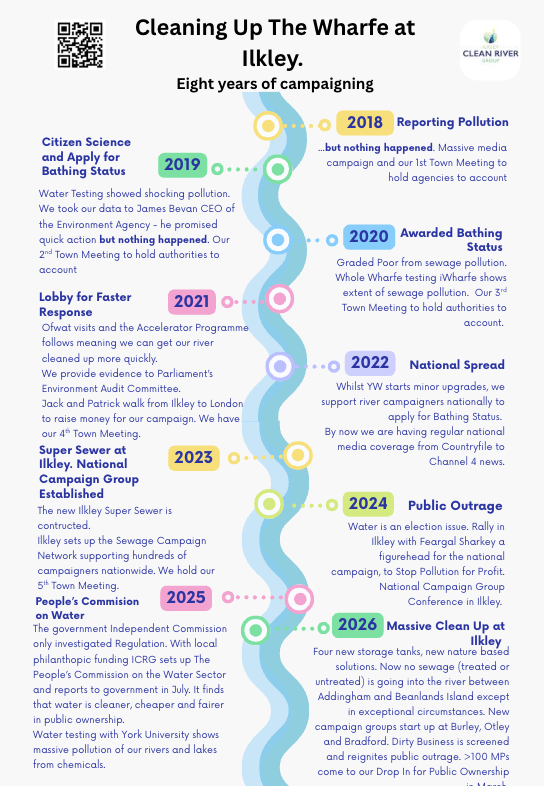
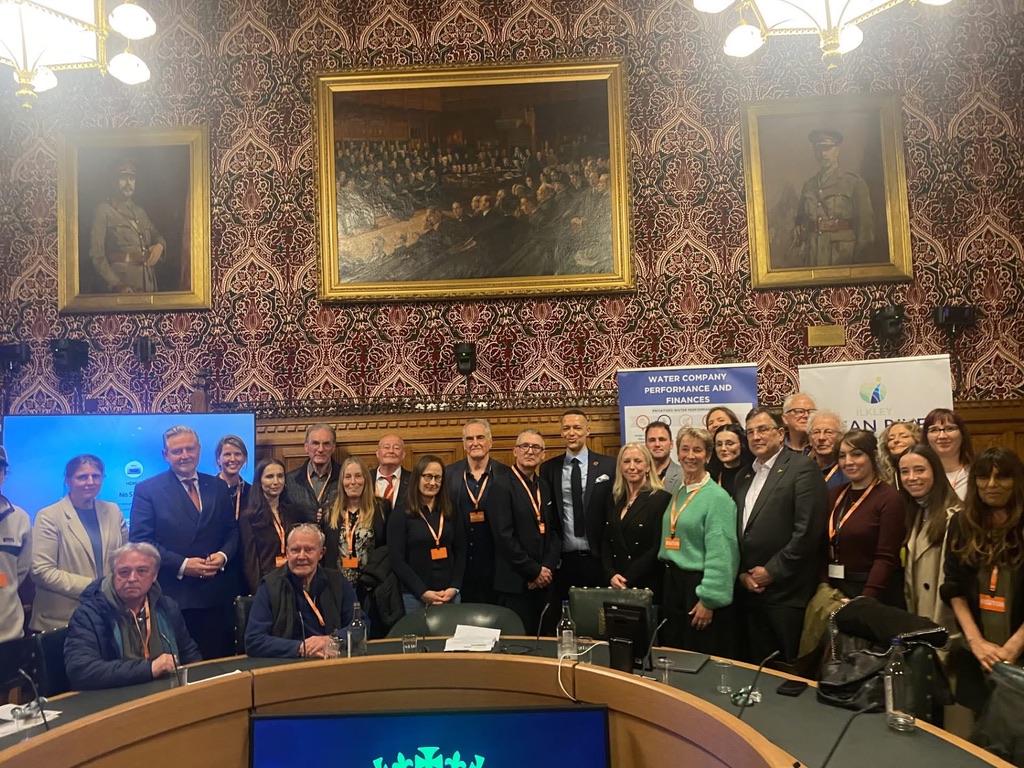
The People’s Commission on the Water Sector, run in public is filling the gaps in this
report. We call for the People’s Commission recommendations to be adopted.