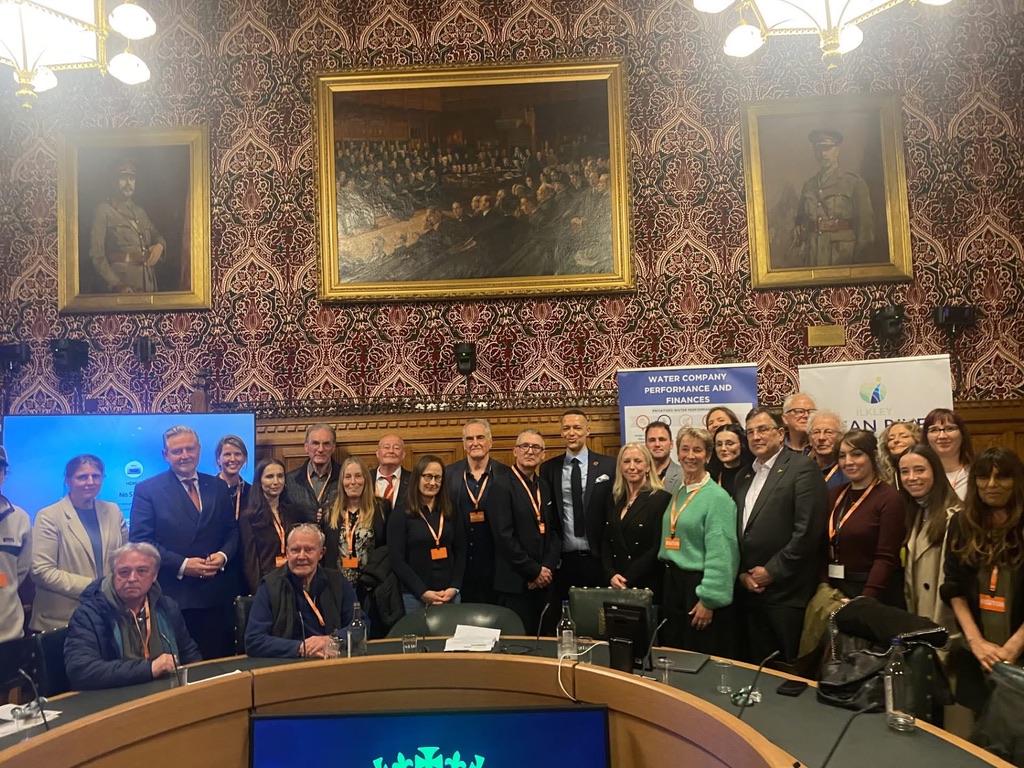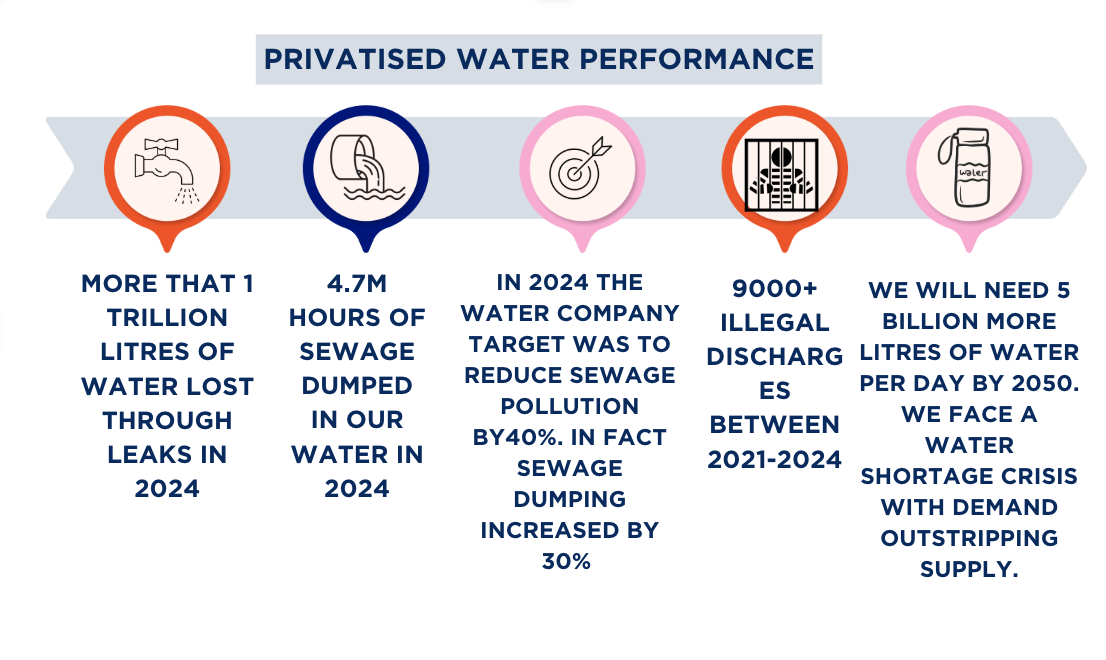

In the wake of the National Audit Office report citing poor performance in the water industry, a failure to invest and incompetent regulation, we have today published a comprehensive report on Yorkshire Water’s finances.
This thorough investigation by ex-auditor Stanley Root supported by Ilkley Clean River Group, sets out the legacy of the current system and provides details on every aspect of the company’s finance and the impact on customers, the regulators, government and our environment.
The report sets out how
The report shows that:
- Despite strongly positive cashflows, after covering all operating costs and capital expenditure, amounting to £ 3.6 bn by 2024, Yorkshire Water has taken on £ 5.3 bn in net debt
- Since privatisation, total dividends paid by Yorkshire Water to its parent company, plus gross interest costs is £ 9 bn.
- For every £ 100 Yorkshire Water have spent on infrastructure, another £ 85 has gone to pay interest and dividends
- Had no dividends been paid there would have been no need for this debt, or its related huge finance cost.
- Yorkshire Water customers may think they are paying for infrastructure that will last long into the future, when in fact they are paying for dividends taken out long into the past
- Yorkshire Water, like most other privatised utilities has papered over losses from its failing business plans with aggressive fixed asset revaluations – which in turn enable it to borrow more money signed off by Ofwat.
- Yorkshire Water has a number of parent companies Kelda Holdings, Kelda Finance and Kelda Eurobond. At March 2024 Yorkshire Water Services Ltd has £ 5.3 bn of net debt equal to more than 4 times revenue. Meanwhile Kelda Eurobond has net debt of £ 6 bn plus another £ 2.2 bn owed to its parent, Kelda Holdings, which can only ever be paid off by Yorkshire Water dividends.
In addition the report provides these recommendations:
Regulation
1.Restore the role of Reporters. – these are independent roles to scrutinise projects within water companies, set up at privatisation but abolished when regulation was relaxed in 2017
2. The Environment Agency should audit with professional scepticism.
3.Financial engineering by parent companies should be brought within the scope of regulation.
4.Ofwat should not ignore the evidence of audited financial statements.
5.Ofwat should encourage innovation by, and collaboration between, companies.
6.The regulator should have the power to take company shares as settlement for penalties for serious performance failures.
The Independent Commission on Water Regulation should:
7.Recommend continuing its work with a widened scope to address issues beyond regulation.
8.Recommend that an independent, authoritative review of the financial results of privatisation should be commissioned.
9.Consider alternative forms of ownership, specifically in relation to financial efficiency (total finance cost of capital expenditure) and financial resilience (volume of debt).
10.Take steps to reduce companies’ snowballing debt burden and increase the influence of customers over environmental performance.
You can read the report here